
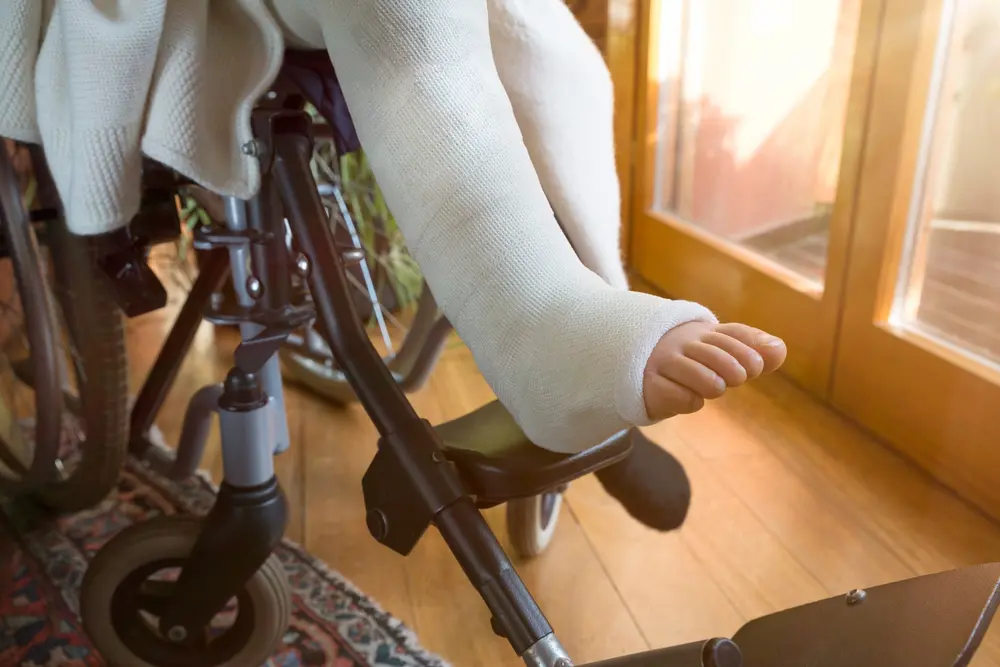
An accident caused by someone else’s negligence can lead to medical expenses, missed work, and lasting physical or emotional challenges. Personal injury compensation exists to help injured individuals financially recover from these losses. In California, individuals may be able to pursue damages for the physical, emotional, and financial impact an injury has on their daily lives.
The amount that may be recovered often depends on factors such as the type of incident, the severity of harm, available insurance coverage, and the strength of the evidence establishing fault. Understanding how these elements influence a claim can help individuals make informed decisions about their legal options and what to expect throughout the process.
Types of Accidents Covered Under Personal Injury Claims
Personal injury claims can arise from a wide range of incidents where someone is harmed due to another party’s negligence or wrongful conduct. These situations often involve accidents or unsafe conditions that could have been prevented with reasonable care.
Common personal injury claims include:
- Car accidents, which often involve driver negligence, distracted driving, or unsafe road behavior
- Commercial trucking accidents involving large trucks can lead to catastrophic injuries due to their size and weight
- Motorcycle accidents, where riders may suffer serious injuries due to limited protection
- Bicycle incidents, which frequently occur when drivers fail to share the road or respect bike lanes
- Pedestrian accidents, which can occur when drivers fail to yield or operate vehicles recklessly (see Coopers Law’s page on pedestrian incidents for more information)
- Slip and fall accidents, often caused by dangerous property conditions or inadequate maintenance
- Dog bites, which may result in liability for the dog’s owner under California law
- Workplace injuries, particularly when a third party’s negligence contributed to the incident
- Defective product injuries, where unsafe products cause harm to consumers
- Wrongful death, including cases with fatal injuries caused by another party’s negligence, impacting surviving family members
Each of these cases requires careful evaluation of the available evidence to pursue fair compensation for affected parties.
Types of Damages in Personal Injury Compensation
California law sets the rules for compensation in personal injury cases, including who may be held responsible and the types of damages an injured person can recover. Personal injury compensation is generally divided into three categories of damages, each reflecting a different type of loss caused by an accident. Some damages cover clear financial costs, while others account for the physical, emotional, and overall impact of an injury. Understanding these categories can help clarify how the value of a personal injury claim is determined.
Economic Damages: Tangible Financial Losses
Economic damages refer to the direct financial losses caused by an injury. These damages are typically supported by records such as medical bills, employment documentation, and receipts. Common examples include hospital and medical expenses, rehabilitation costs, prescription medications, and transportation to medical appointments.
Economic damages may also cover lost wages if an injury prevents someone from working, as well as reduced earning capacity if long-term limitations affect future employment. In some cases, additional costs such as home modifications or specialized equipment may also be included.
Non-Economic Damages: Intangible Losses
Non-economic damages address the personal and emotional impact of an injury that cannot be easily calculated in monetary terms. While these losses do not come with bills or receipts, they can significantly affect a person’s quality of life.
These types of damages may include emotional distress, anxiety, and a diminished ability to enjoy daily activities. They can also reflect changes in personal relationships or a reduced capacity to live and work as before. In more severe cases, non-economic damages may account for long-term effects such as permanent scarring, disfigurement, or ongoing physical limitations.
Punitive Damages in Personal Injury Cases
In some personal injury cases, the issue extends beyond negligence to conduct that is especially reckless or intentional. When behavior demonstrates a clear disregard for the safety of others, additional damages may be considered.
Punitive damages, though less common, may be awarded in these situations. Rather than compensating for losses, these damages are intended to penalize the at-fault party and deter similar misconduct in the future. Courts may evaluate punitive damages in cases involving fraud, oppression, or intentional harm. While not available in every claim, they can substantially increase the overall recovery in more serious cases.
Factors Influencing Personal Injury Compensation Amounts
While every personal injury case is different, courts and insurance companies often evaluate similar elements when determining compensation. The severity of injuries, available insurance coverage, and the strength of evidence showing who was responsible can all influence the amount ultimately recovered.
Injury Severity and Type
The severity of an injury is one of the most important factors in determining the value of a personal injury claim. Less serious injuries often involve shorter recovery periods and lower medical costs, while more severe injuries may require extensive treatment, long-term care, and rehabilitation. When an injury results in lasting or permanent effects, the value of a claim often rises to account for the broader impact on a person’s health, ability to work, and overall quality of life.
Common injury types and how they affect compensation include:
| Injury Type | Severity Level | Potential Impact on Claim Value |
| Soft tissue injuries | Low to moderate | Lower value; short-term treatment with limited lasting effects |
| Fractures and broken bones | Moderate | Moderate increase; higher medical costs, recovery time, and risk of complications |
| Burn injuries | Moderate to severe | Higher value if scarring, disfigurement, or ongoing treatment is required |
| Traumatic brain injuries (TBI) | Severe | High value due to cognitive effects, long-term care needs, and reduced earning capacity |
| Spinal cord injuries | Severe | Very high value due to ongoing medical care, mobility limitations, and significant lifestyle changes |
| Catastrophic injuries (paralysis, amputation) | Very severe | Highest value; permanent disability, lifelong care needs, and significant impact on quality of life |
Shared Fault and California’s Comparative Negligence Rules
California follows a pure comparative negligence rule when determining compensation in personal injury cases. This means an injured person may still recover damages even if they were partly responsible for the accident. However, the total compensation may be reduced by the percentage of fault assigned to that person. For example, if someone is found to be 20% responsible for an accident, their compensation will be reduced by that percentage.
Pre-Existing Conditions and the Eggshell Plaintiff Doctrine
A pre-existing condition does not automatically prevent someone from seeking compensation after an accident. When an incident worsens an existing condition, the at-fault party may still be responsible for the additional harm. This principle is often referred to as the “eggshell plaintiff” rule, meaning an individual must be taken as they are, even if they are more vulnerable to injury than others.
The key issue is whether the accident caused a measurable change, such as increased pain, new limitations, or the need for additional medical treatment, compared to the person’s condition before the incident.
Insurance Coverage Limits and Umbrella Policies
The amount of available insurance coverage can also affect the amount of compensation that may be recovered. Many claims are paid under insurance policies with specific coverage limits. In some cases, additional compensation may be available through umbrella policies or claims against multiple responsible parties. Identifying all potential sources of coverage can be an important part of evaluating a claim’s potential value.
How Social Media Can Affect Your Personal Injury Compensation
Social media activity can play an unexpected role in personal injury claims. Insurance companies and defense attorneys may review posts, photos, or videos to look for information that could be used to question the severity of an injury or the accuracy of a claim. Even posts that seem unrelated may be taken out of context and used as evidence during negotiations or litigation.
Why Insurers Monitor Social Media Activity
Insurers often look for content that may contradict a claim. For example, photos showing physical activity, travel, or daily routines may be used to argue that injuries are less serious than reported. Comments or location tags can also be reviewed to challenge credibility or suggest inconsistencies in a person’s account of events.
Best Practices for Protecting Your Claim on Social Platforms
Limiting social media activity during an active claim can help reduce potential risks. Avoid posting about the accident, injuries, or recovery process. Adjusting privacy settings may provide some protection, but it does not guarantee that content will remain private. Being cautious about what is shared online can help protect the strength of a personal injury claim.
Maximizing Your Personal Injury Compensation with Legal Help
Legal representation can play an important role in personal injury claims, particularly when dealing with insurance companies and complex liability issues. A personal injury attorney can help ensure that damages are properly documented, deadlines are met, and compensation reflects both immediate and long-term losses. This can be especially important in cases involving multiple parties, disputed fault, or significant injuries.
Local experience also matters. A local California attorney familiar with regional laws, court procedures, and insurance practices can better evaluate claim value, anticipate challenges, and guide strategy throughout the process. This level of support can help ensure that compensation reflects both immediate expenses and long-term impacts, while reducing the risk of accepting a settlement that falls short of those costs.
Contact Coopers LLP for a Free Consultation
If you have been injured due to someone else’s negligence, speaking with an attorney can help you understand your options. Coopers LLP works on a contingency fee basis, which means you pay nothing unless compensation is recovered on your behalf. Contact Coopers LLP today for a free consultation to discuss your case and learn how to pursue the full recovery you may be entitled to.
Frequently Asked Questions about Personal Injury Compensation
How much personal injury compensation can I receive in California?
The value of a California personal injury claim depends on your economic damages, like medical bills, lost income, and future care, plus non-economic damages like pain, suffering, and loss of enjoyment of life. The available insurance coverage and the strength of liability evidence also affect the final amount.
How long does a personal injury compensation case take in California?
Many claims resolve within several months to about a year, but timelines vary based on how long treatment lasts, whether your condition stabilizes, how quickly records are available, and whether the insurer disputes fault or damages.
What if I’m partly at fault for the accident in California?
You can still recover compensation. California follows pure comparative negligence, which generally means your recovery can be reduced by your percentage of fault rather than eliminated entirely.
Is my case worth pursuing if I have a pre-existing injury?
Yes. In California, you can pursue compensation if an accident aggravated or worsened a pre-existing condition. The key is showing, through medical documentation, that your symptoms, limitations, or treatment needs changed after the incident.
Do I have to file a lawsuit to get personal injury compensation in California?
Not always. Many cases settle through insurance negotiations, but a lawsuit may be necessary if the insurer denies liability, undervalues your damages, or deadlines are approaching.
What should I avoid doing while my California personal injury claim is pending?
Avoid giving recorded statements without legal advice, delaying or skipping medical care, and posting about your activities on social media, because insurers may use those details to challenge the severity of your injuries.
Take the Next Step Toward Fair Personal Injury Compensation
Personal injury compensation depends on a range of factors, including the severity of injuries, available insurance coverage, and the strength of the evidence supporting a claim. From medical expenses and lost income to long-term impacts on daily life, each element plays a role in determining the value of a case. Understanding these factors can help injured individuals better evaluate their options and avoid accepting a settlement that does not reflect the full extent of their losses.
Legal guidance can be especially important when navigating insurance negotiations, documenting damages, and meeting key deadlines. If you are considering a claim, contacting Coopers Law for a free case evaluation can provide clarity on what compensation may be available and how to move forward based on your specific situation.
